At peace with -
2026/04/03
(1) 心穏やかでいる、 安心している
(2) 仲良くしている、 平和でいる
特定の人間や主体の心理状態や様子を表す。
ポジティブなイメージにあふれる。
定訳がないため、和訳は単純でない。
しかし、英文はシンプルで理解しやすい。
- 状態を示す前置詞 ” at ” ( ~ の状態でいる )
- 不可算名詞 ” peace “( 平和 )
- 対象の前置詞 ” with “( ~ に対して )
よって、 直訳は 「 ~ に対して平和な状態でいる 」。
–
◆ ” peace ” は、 名詞のみの単語。
【発音】 píːs (1音節)
語源は、 ラテン語 「 平和 」( pāx )。
不可算名詞で、 単数名詞 ( singular noun ) である。
単数名詞とは、 単数形で使われるのが一般的な名詞。
英英辞書では “ S ” または “ sing ” と略記されたりする。
表題の用法では、 無冠詞で使われるのが通例。
- 平和
- 講和
- 治安
- 無事
比較的多義だが、 語源に忠実であり、
静かで平穏な 意味合いは一貫している。
◇ ここでは 「 平和 」で、 日英とも二分できる。
1. 心の状態
2. 外部の状態
–
” at peace with ” も、 これに対応する。
(1) 心穏やかでいる、 安心している
(2) 仲良くしている、 平和でいる
–
(1) 心穏やかでいる、 安心している
頻出なのは、 前置詞 ” with ” の直後に、
主語の目的語 ” self “( ~ 自身 ) を続ける用法である。
- ” I am finally at peace with myself.”
( 私はようやく心穏やかでいられる。)
( 私はやっと安心だ。)
– - ” She seems to be at peace with herself.”
( 彼女は心が穏やかに見える。)
( 彼女は安心しているようだ。)
(1) は、 不可視な内面の描写である以上、
他者については推測となる。
よって、 本来なら自動詞 ” seem “( ~ に見える)
などを伴うはずである。
–
しかし、 これなしで断言してしまうケースも普通。
この点、 日本語でも同様だろう。
- ” She was at peace with herself.”
( 彼女は安心していた。)
– - ” He is at peace with the world.”
( 彼は穏やかで幸せな人生を過ごしていた。)
– - ” He has always been at peace with himself.”
( 彼は常に自分自身を受け入れていた。)
– - ” He was at peace with the onset of old age.”
( 彼は老いをしっかり受け入れている。)
( 老後を迎えても、彼は心穏やかであった。)
–
◆ ” at peace with ” が、「 安心 」ではなく、
「 心穏やか 」 で使われる場合、
葛藤・確執 ( emotional conflicts )
の果てに辿り着いた心境 を表すことが多い。
–
【参照】 ” comfortable in one’s own skin ”
もともと安らかで幸せな人が取り上げられる需要は、
現実 ( real world ) では大きくない。
–
他方で、 どうにか自分と折り合いをつけ、
万難を排して穏やかな境地に至った人に、
感銘を受け、 共感 する人は大勢いる。
その結果、報道価値 が認められるため、
こうした用途が目立つことになる。

(2) 仲良くしている、 平和でいる
もっと単純で、 争いのない模様を示す。
より客観的に状況確認できる 「 平和 」 「 仲良し 」である。
- ” I am at peace with my neighbors.”
( 近所付き合いはうまくいっている。)
– - ” This country is at peace with other countries.”
( この国は他国と争いはしていない。)
既記の通り、 ” at peace with ” には定訳とされるものは見当たらない。
–
本稿の和訳も一例である。
シンプルな英語で構成されるので、
状況や心境を読み取りつつ理解すれば、
大きく外すことはないだろう。
–
–
【類似表現】
–
■ ” peace of mind ” ( 心の平和、安らぎ )
” presence of mind ” に重なる意味。
( 心の平静 )
別稿 ” presence ” 参照。
–

–
「 心ここにあらず 」 ( absence of mind ) の逆。
「 心ここに 存在 ( presence ) する 」より。
–
Presence of mind ( 1660s ) is a loan-translation of
French présence d’esprit, Latin praesentia animi.
–
フランス語 ” présence d’esprit ” 及び
ラテン語 ” praesentia animi ” からの
借用翻訳 ( a loan-translation ) と書いてある。
- ” I want to live safely in peace of mind.”
( 安全で安らかに暮らしたいです。)
– - “ Would you dish out $800 for
peace of mind ? ”
( あなたは安らぎに800ドル払うか?)
– - ” My dog gives me peace of mind.”
( 愛犬は安らぎをもたらしてくれる。)

■ ” make peace with – ” ( ~ と仲直りする )
- ” I want to make peace with her.”
( 彼女と仲直りしたいの。)
– - ” I decided to make peace with my parents.”
( 両親と和解する決意をした。)
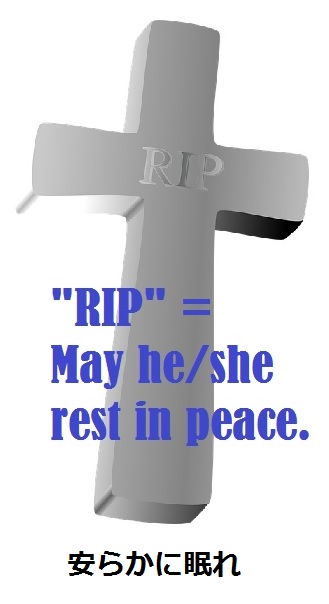
■ ” rest in peace ” = ” RIP ”
別稿 ” passed away ” 参照。
–
 –
–
–
rest in peace
- said to express the hope that someone’s
spirit has found peace after death.- Abbreviation RIP often written on a gravestone.
–
( CALD4、 ケンブリッジ )【発音】 ˌɑːr aɪ ˈpiː
–
【関連表現】 ※ 現実との折り合い
- ” life’s lesson ”
https://mickeyweb.info/archives/778
( 人生の教訓 )
– - ” The truth hurts. ”
https://mickeyweb.info/archives/2061
( 真実とはつらいもの。)
– - “ Things change.”
https://mickeyweb.info/archives/3326
( 事情は変わる。)
– - “ Things happen.”
https://mickeyweb.info/archives/9323
( こんなこともある。)
– - “ What goes around comes around.”
https://mickeyweb.info/archives/1038
( 因果応報。 因果は巡る。)
– - “ It’s always darkest before the dawn.”
https://mickeyweb.info/archives/1963
( 夜明け前が最も暗い。)
– - “ rock bottom”
https://mickeyweb.info/archives/10672
( どん底)
– - ” It is what it is.”
https://mickeyweb.info/archives/3877
( それが現実の姿です。)
– - ” I can live with that.”
https://mickeyweb.info/archives/1872
( それで構いません。)
– - “ fact of life”
https://mickeyweb.info/archives/10864
( 人生の真実、 現実 )
– - “ My time is up.”
https://mickeyweb.info/archives/11257
( 私の時代は終わった。)
– - ” Life goes on.”
( それでも人生は続く)